

By Med Ka | Reviewed by the Med Ka Editorial Team · Last Updated: October 2026
Quick-Summary: Key Takeaways
- Sensory eating is not a choice: It is driven by neurological sensory processing differences and physical distress, not behavioral stubbornness or standard picky eating.
- Rule out medical pain first: Behavioral and sensory interventions will fail if underlying gastrointestinal issues, allergies, or oral motor dysfunctions are causing physical pain during meals.
- Zero-pressure environments are essential: Eliminating force-feeding and establishing predictable, low-stress routines helps lower the intense anxiety neurodivergent children feel around food.
- Expansion takes time and transparency: It typically requires 15 to 20 non-pressured exposures to accept a new food. Always use transparent “food chaining” rather than sneaking hidden ingredients, which breaks trust.
If you are constantly asking yourself, “How Do I Help My Autistic Child With Sensory Eating Issues? (5 Steps),” you are not alone in navigating this stressful mealtime reality. Caregivers often face a heavy emotional toll and immense anxiety around potential nutrient deficiencies or their child’s failure to thrive when standard dietary advice falls short.
Children with Autism Spectrum Disorder (ASD) are five times more likely to experience feeding difficulties compared to their neurotypical peers. These challenges are frequently driven by profound sensory processing differences affecting how a child perceives texture, taste, smell, appearance, and temperature. Mealtimes should not become a battleground; instead, dietary expansion can be achieved through patient, non-coercive micro-steps.
Core Concepts: Defining Sensory Eating vs. Picky Eating
Sensory eating occurs when a neurodivergent child experiences genuine physical or neurological distress—such as gagging, intense nausea, cold sweats, or sensory overload—when exposed to specific food textures, smells, flavors, or temperatures. Unlike standard picky eating, sensory eating is driven by neurological sensory processing differences, not behavioral stubbornness.
Clinical literature highlighted by the Autism Research Institute (ARI) on sensory processing confirms that sensory eating is an involuntary neurodevelopmental response. When a sensory-sensitive nervous system encounters an overwhelming texture or odor, it interprets that input as a biological threat rather than a voluntary preference. Understanding sensory eating vs picky eating autism is critical for creating effective mealtime strategies.
| Diagnostic Dimension | Standard Picky Eating | Sensory Food Sensitivities (Autism) |
|---|---|---|
| Underlying Mechanism | Typical developmental phase; testing boundaries. | Neurological sensory processing differences, oral motor challenges. |
| Physiological Response | Preference-based refusal; eats when hungry. | Physical distress, gagging, cold sweats, or complete refusal despite hunger. |
| Dietary Flexibility | Accepts 30+ foods; tolerates varied textures/brands. | Highly restricted “safe food” list (<10 items); rigid brand/texture preferences. |
| Impact of Coercion | May accept new food under firm boundaries. | Escalates mealtime trauma, deepens food phobias, and intensifies sensory aversion. |
Debunking the “Hunger Fallacy”
Traditional advice claiming “they will eat when they get hungry enough” completely fails for sensory eaters. Because these children perceive certain foods as physical pain or extreme discomfort, they will often choose not to eat at all rather than consume a triggering food, regardless of their hunger levels.
Step 1: Rule Out Underlying Medical and Gastrointestinal Root Causes
Behavioral and sensory interventions will fail if the physical act of digestion or swallowing causes pain. If your child exhibits extreme food selectivity, it is vital to prioritize clinical safety and seek advice from a pediatrician to rule out underlying medical conditions.
According to clinical screening guidance from the American Academy of Pediatrics (AAP / HealthyChildren), identifying underlying physiological discomfort like constipation, reflux, or oral motor delays is the critical first step before introducing sensory or behavioral adjustments.
Medical Screening Checklist:
- Gastrointestinal Distress: Chronic constipation, diarrhea, abdominal cramping, or bloating are common in neurodivergent populations and can severely impact food preferences.
- Acid Reflux & Esophagitis: Painful swallowing, constant throat-clearing, or frequent back arching during and after meals.
- Food Allergies & Intolerances: Undiagnosed IgE or non-IgE sensitivities (such as food allergies, celiac disease, or dairy intolerances) that cause oral discomfort or systemic inflammation.
- Oral Motor Dysfunctions: Weak jaw strength, difficulty forming a food bolus, high palate sensitivity, or swallowing incoordination.
Consult a pediatrician to secure referrals to pediatric gastroenterologists, registered pediatric dietitians, or occupational and speech feeding therapists if you suspect physical roadblocks.
Step 2: Establish a Low-Pressure, Predictable Mealtime Environment
Creating a structured, calm environment helps alleviate the deep anxiety neurodivergent children often feel around food. Because extreme table anxiety can quickly trigger severe behavioral dysregulation, our clinical guide on how to prevent autism and ADHD meltdowns provides actionable proactive de-escalation strategies for high-stress daily routines.
Sensory Accommodations
- Environmental Redesign: Minimize sensory distractions by turning off television screens, dimming harsh overhead fluorescent lighting, and reducing background kitchen noise.
- Ergonomic & Proprioceptive Support: Allow the use of sensory supports, such as noise-canceling headphones, weighted lap pads, or sensory footrests to stabilize posture at the dinner table.
- Divided Compartment Plates: Use divided plates to prevent different food textures from touching, which is one of the most common sensory triggers for food refusal.
Predictable Routines and The “Zero Pressure” Zone
- Consistent Schedules: Serve meals and snacks at consistent times each day using visual schedules or timers to build environmental predictability.
- Transition Anchors: Establish a simple, repeatable transition sequence (e.g., wash hands $\rightarrow$ set placemat $\rightarrow$ sit down together).
- Eliminate Coercion: Eliminate all forms of force-feeding, bribing, counting bites, and pressuring, which inevitably spike cortisol and make mealtimes traumatic.
- Acknowledge Non-Eating Wins: Praise non-eating micro-wins, such as sitting comfortably at the table, helping pass a bowl, or tolerating a new smell without distress.
Step 3: Implement Incremental Desensitization & Sensory Exposure
Gradual desensitization reduces the fear associated with new foods by removing the immediate expectation to eat.
- Sensory Play Outside Mealtime: Use low-stress art and sensory exploration projects—such as making “mud” with chocolate pudding and crushed graham crackers—to let the child explore textures with their hands without the pressure of eating.
- Dedicated Exposure Tools: Introduce a small “learning plate” or “tasting dish” placed near the child, separate from their primary preferred safe foods.
- Multi-Sensory Progression Ladder: Look / Observe $\rightarrow$ Smell / Touch $\rightarrow$ Kiss / Lip Touch $\rightarrow$ Lick / Taste $\rightarrow$ Hold in Mouth $\rightarrow$ Chew & Swallow.
Structured 5-Day Exposure Protocol
- Day 1 (Smell): Place the target food near the child; encourage smelling without any requirement to touch.
- Day 2 (Kiss): Invite the child to briefly touch the food to their lips.
- Day 3 (Lick): Encourage a light tongue lick to evaluate taste and temperature.
- Day 4 (Hold): Have the child hold a small micro-bite in their mouth for 2–3 seconds without the requirement to swallow.
- Day 5 (Chew & Swallow): Encourage chewing and swallowing a tiny micro-portion, celebrating the courage of the attempt regardless of whether they want more.
Caregivers must remember that it typically takes 15 to 20 non-pressured exposures before an autistic child accepts a novel food into their regular rotation.
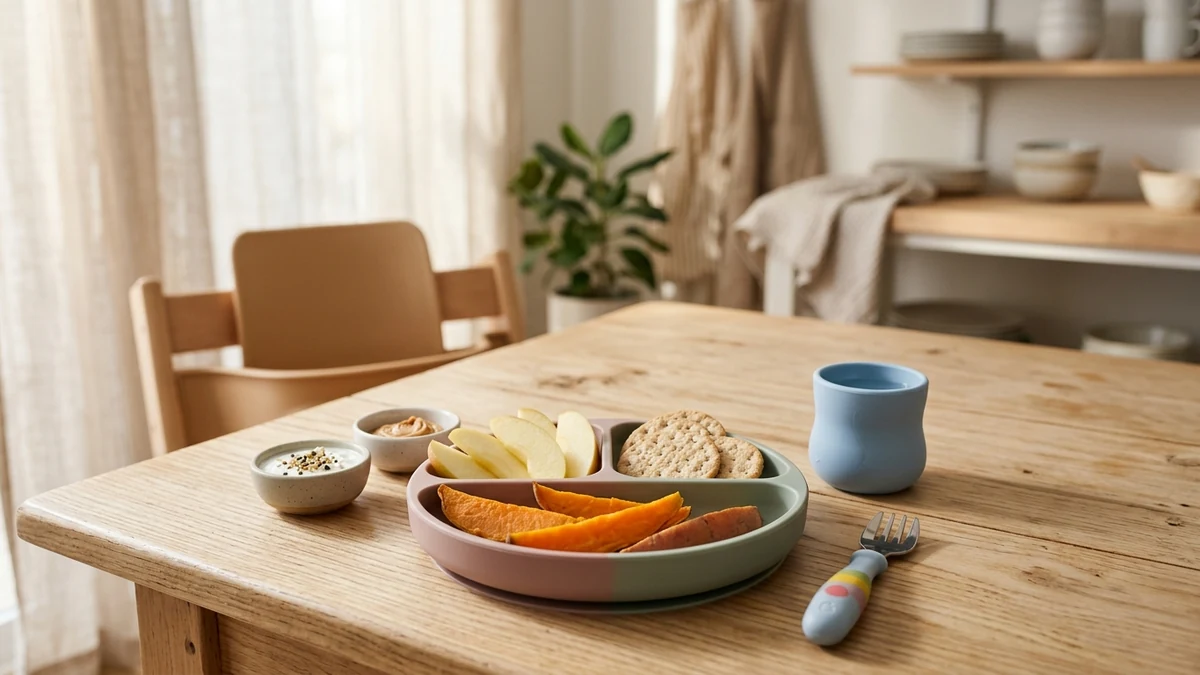
Step 4: Expand Diet Variety via Food Chaining & Healthy Swaps
Food chaining builds bridges from accepted “safe” foods to target foods by subtly modifying one sensory property—such as shape, color, texture, or flavor—at a time.
Step-by-Step Food Chaining Example (Macaroni & Cheese)
Looking at food chaining examples for autism, you can gently transition a child to a more nutrient-dense meal using a familiar favorite:
- Baseline: Favorite commercial packaged mac and cheese.
- Stage 1: Transparently mix 1 teaspoon of smooth pureed butternut squash into the cheese sauce without altering color or texture.
- Stage 2: Slowly increase the squash volume over successive meals while maintaining the creamy, smooth consistency.
- Stage 3: Add tiny, soft-steamed square bits of squash alongside the familiar elbow pasta.
- Target: Acceptance of steamed butternut squash or squash-based vegetable pasta.
Transparent Processed Food Swaps
Never sneak or trick a child with hidden ingredients; discovering hidden foods breaks trust and can lead to the sudden rejection of their core safe foods. Instead, use transparent, gradual swaps to shift away from highly processed favorites:
| Highly Processed Favorite | Sensory Bridge / Intermediate Swap | Nutrient-Dense Target Food |
|---|---|---|
| Commercial Chicken Nuggets | Almond-flour baked chicken tenders | Diced roasted chicken breast with favorite dip |
| Packaged Sugary Cookies | Homemade oatmeal-banana energy bites | Whole oats topped with baked cinnamon fruit slices |
| Commercial Ice Cream | Blended frozen banana “nice cream” | Popsicles made from frozen fruit & Greek yogurt |
| Plain Buttered Noodles | Buttered noodles with micro-veggie “sprinkles” | Zucchini noodles mixed with wheat pasta |
Step 5: Address Nutrient Gaps and Support the Gut-Brain Axis
Restricted diets naturally leave children vulnerable to nutritional shortfalls, which can subsequently impact neurodevelopment, mood stability, and daily energy.
As emphasized in pediatric feeding standards from the Academy of Nutrition and Dietetics, closing micronutrient shortfalls through sensory-friendly supplementation and gut-supportive nutrition provides the biological foundation for healthy physical and emotional development.
Targeted Supplementation
Clinical evidence highlights that autistic children on restricted diets are frequently deficient in Vitamins A, C, D, E, fiber, magnesium, and iron.
- Sensory-Friendly Multivitamins: Utilize unflavored powders, liquid drops, or chewables mixed into accepted safe liquids or smooth purees to bridge nutritional gaps while avoiding sensory refusal.
- Omega-3 Fatty Acids (EPA/DHA): Peer-reviewed research indicates that omega-3 supplementation can support cognitive processing, attention, and communication skills in neurodivergent youth.
Nourishing the Gut-Brain Axis
The microbiota-gut-brain axis is a bidirectional communication network linking the central nervous system with enteric intestinal microbes. In autistic children, gut dysbiosis can directly influence executive function, sensory reactivity, and sleep quality. Support bowel regularity and digestive health by gradually introducing probiotic-rich foods (like sensory-accepted yogurt or kefir) and prebiotic fibers (like fruits, vegetables, whole oats, and mild legumes).
Because chronic gastrointestinal discomfort is one of the leading drivers of bedtime restlessness and nighttime waking in neurodivergent youth, explore our companion roadmap on how to help your autistic child sleep better. For adults and older youth dealing with persistent sensory fatigue, our clinical guide on autistic burnout recovery and sensory overload offers comprehensive demand-reduction strategies.
Frequently Asked Questions
How many exposures does an autistic child need to accept a new food?
It typically takes 15 to 20 non-pressured exposures before an autistic child accepts a novel food into their routine. Consistency, patience, and eliminating mealtime pressure are the keys to long-term success.
Should I hide or sneak vegetables into my autistic child’s food?
No. Sneaking ingredients breaks relational trust and can cause a child to develop severe food paranoia, often leading to the complete rejection of their core safe foods. Always use transparent food chaining where the child is informed and feels safe.
What are the most common vitamin deficiencies in autistic children?
Autistic children on restricted diets are most frequently deficient in Vitamins A, C, D, and E, as well as fiber, iron, and magnesium. Consult with a pediatrician or registered pediatric dietitian before starting any new high-dose supplementation protocol.
Clinical References & Peer-Reviewed Evidence
- Arija, V., et al. (2023). Nutrient intake and adequacy in children with autism spectrum disorder. Autism, 27(2), 371–388.
- Doaei, S., et al. (2021). The effect of omega-3 fatty acids supplementation on social and behavioral disorders of children with autism. Pediatric Endocrinology, Diabetes and Metabolism, 27(1), 12–18.
- Santocchi, E., et al. (2020). Effects of Probiotic Supplementation on Gastrointestinal, Sensory and Core Symptoms in Autism. Frontiers in Psychiatry, 11, 550593.
- Wang, Q., et al. (2023). The microbiota-gut-brain axis and neurodevelopmental disorders. Protein & Cell, 14(10), 762–775.
- Autism Research Institute (ARI). (2024). Sensory Processing, Feeding Challenges, and Nutritional Health in ASD. Accessible via Autism.org.
- American Academy of Pediatrics (AAP). (2024). Pediatric Feeding Disorders and Gastrointestinal Screening in Neurodevelopmental Care. Available at HealthyChildren.org.